伊賀で古民家暮らし——田舎に住むということA kominka life in Iga — what it means to live in the countryside
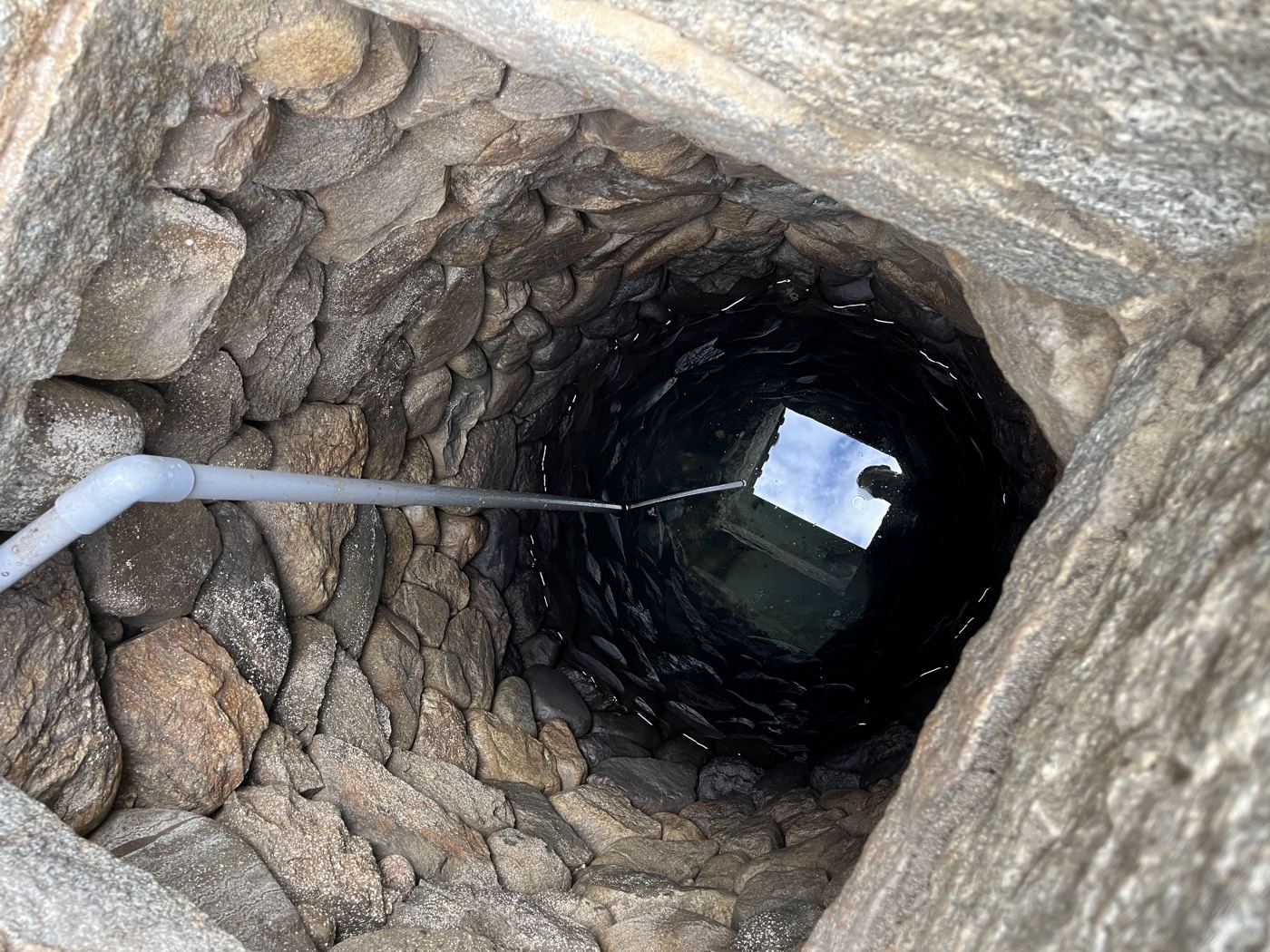
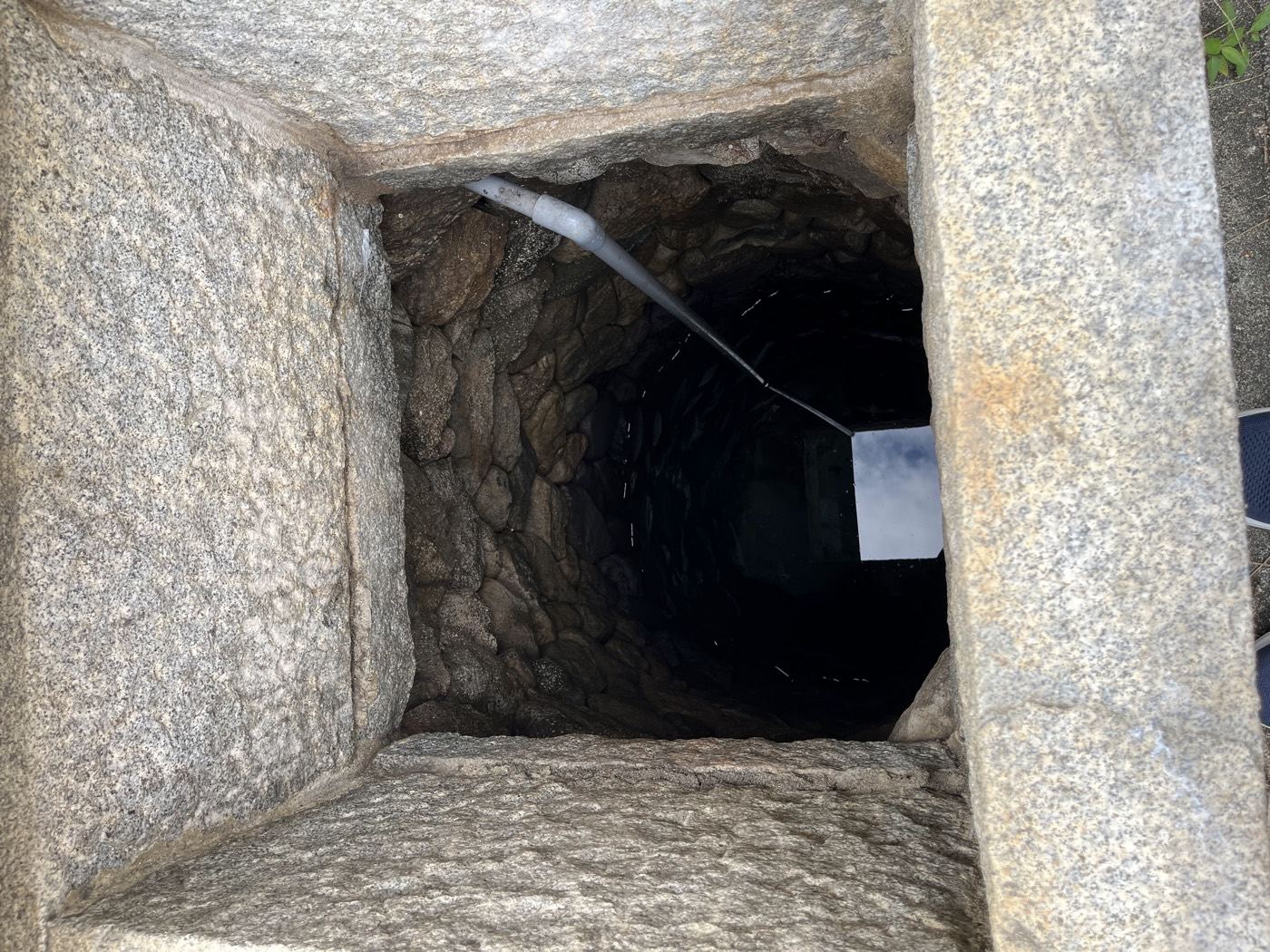
三重県伊賀市は、山に囲まれた盆地に集落と田畑が点在する土地です。阿保のあたりの古い家には、庭先に石を積んだ井戸が残っていることがあります。蓋を持ち上げると、夏でもひやりとした空気が上がってきて、暗い底に水面が丸く光ります。井戸水は、地面にしみこんだ雨水が土や砂の層をとおって地下にたまったもので、それをポンプで汲み上げて使います。
地下は外の気温ほど変わらないので、井戸水は夏に冷たく、冬はぬるく感じます。夏はバケツに張ってスイカや飲みものを冷やし、冬の朝は、水道より手がかじかまない水で洗いものができます。庭の水やりも、夕方の打ち水も、水道代を気にせず思い切り使える——蛇口の水が「買うもの」から「敷地から出るもの」に変わる感覚は、住んでみるとけっこう大きいものです。
もちろん、いいことばかりではありません。汲み上げるのは電動ポンプですから電気代はかかり、停電のあいだは水が出ません。しばらく使わずにいると水が濁ったり砂が混じったりするので、たまに流しておく必要があり、井戸そのものも数年に一度はさらいます。ポンプは機械なので、いつかは故障し、交換の費用もかかります。
飲み水に使うなら、まず水質検査を受けてください。井戸水は見た目が澄んでいても、大腸菌や硝酸性窒素などが基準を超えていることがあり、飲用にするなら年に一度の検査が目安とされています。実際には、飲み水は上水道、庭の水やりや洗濯は井戸水、と使い分けている家が少なくありません。阿保の家に残る井戸は、2025年9月の水質検査で飲用可の結果が出ています。内見のときは、井戸があるかどうかだけでなく、いまもポンプが動いて水が出るか、直近の検査はいつかを聞いておくと安心です。手はかかりますが、蛇口の向こうに水源が見えている暮らしは、そう多くありません。Iga, in Mie Prefecture, is a basin ringed by hills, its hamlets and rice fields scattered across the valley floor. At older houses around Abo, a stone-lined well often still stands in the garden. Lift the cover and cool air rises even in summer, with a round disc of water glinting far down in the dark. Well water is rainwater that has soaked into the ground, passed through layers of soil and sand, and gathered below; a pump draws it back up.
Underground temperatures shift far less than the air above, so well water feels cold in summer and mild in winter. In August you fill a bucket to chill a watermelon or a few drinks; on a winter morning you wash up in water that leaves your hands less numb than the mains would. Watering the garden, sprinkling the path at dusk — you use it freely, without watching the meter. That shift, from water as something you buy to something that comes up out of your own ground, turns out to matter more than you expect.
It is not all in your favor, of course. The pump runs on electricity, so there is a bill for it, and during a power cut no water comes up at all. Left unused for a while the water can cloud or carry sand, so it needs running now and then, and the well itself is dredged out every few years. A pump is a machine: sooner or later it fails, and replacing it costs money.
If you intend to drink it, have the water tested first. Well water can look perfectly clear and still exceed the standards for coliform bacteria or nitrate nitrogen, and for drinking use a test about once a year is the general guide. In practice, plenty of households divide the two: mains water for drinking, well water for the garden and the laundry. The well at the house in Abo was tested in September 2025 and its water was found fit to drink. At a viewing, ask not only whether there is a well, but whether the pump still runs and water still comes up, and when it was last tested. It asks some care of you — but a life where you can see the source on the other side of the tap is a rare one.