縁側のある暮らし——古民家の「あいだ」の空間Living with an engawa — the kominka's "in-between" space
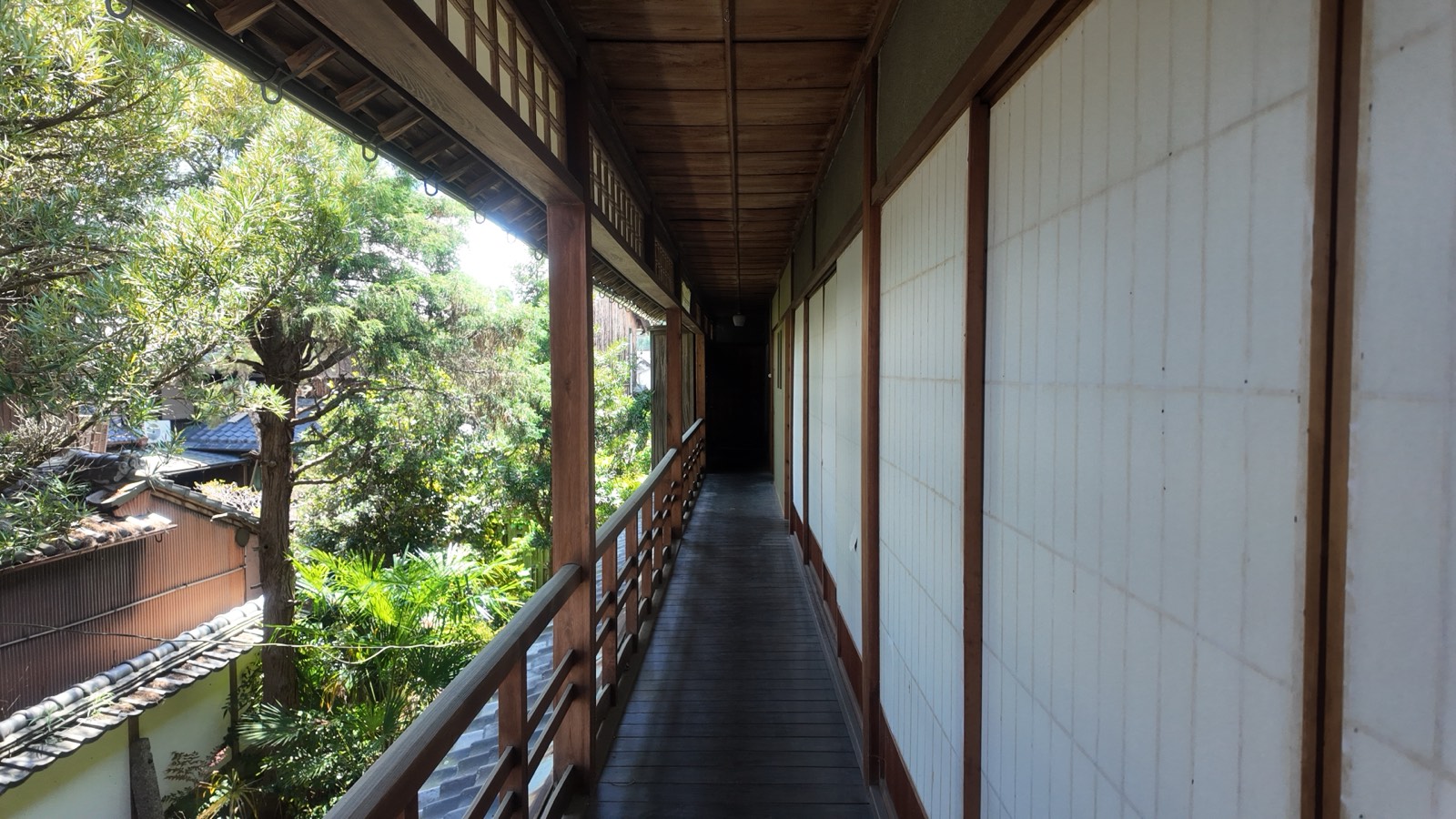
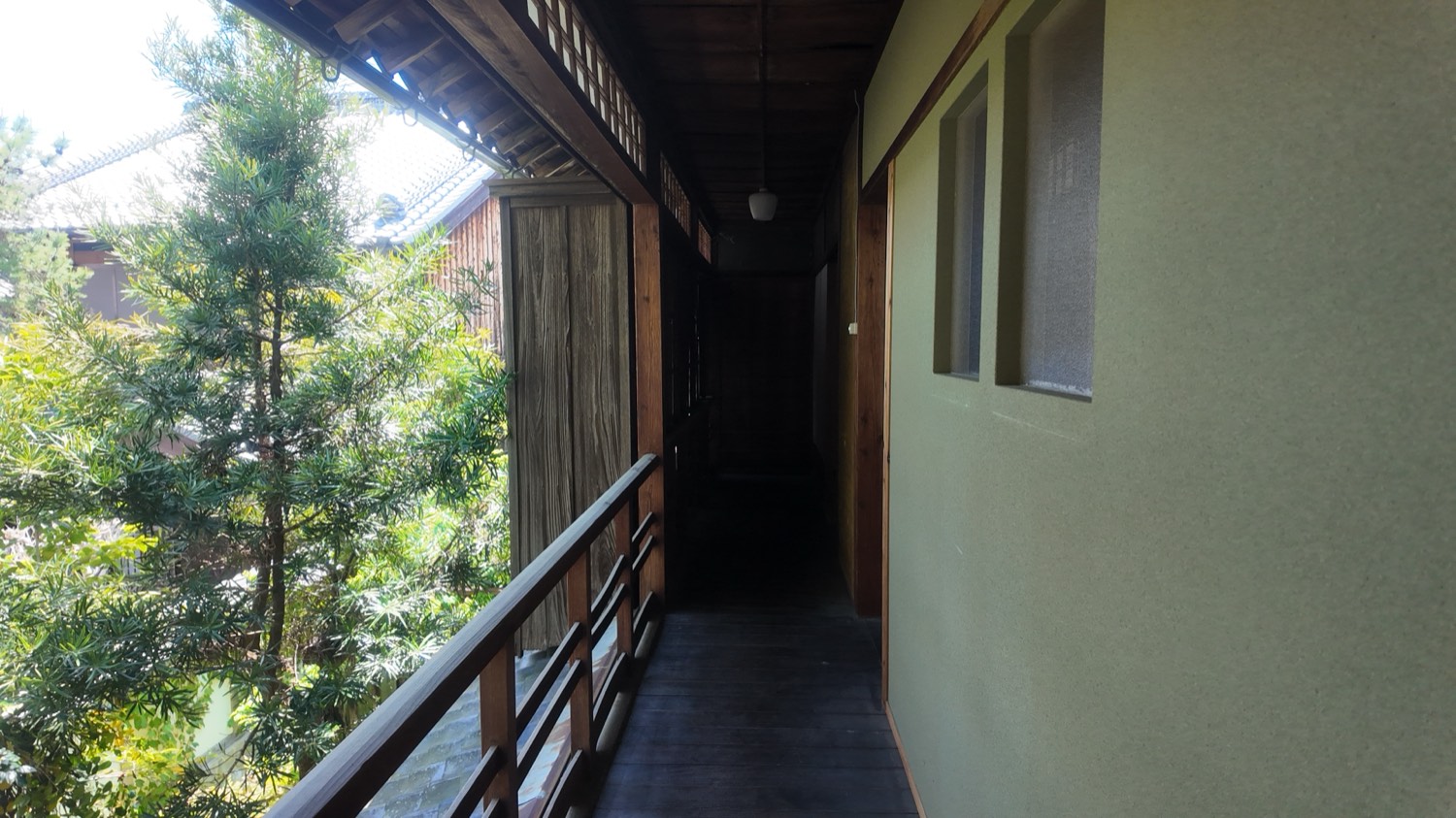
古民家を訪れると、座敷と庭のあいだに、細長い板の間が通っていることがあります。縁側です。雨戸と障子のあいだ、家の内と外のちょうど境目にあって、どちらにも属さない——この「あいだ」こそ、縁側のいちばんの魅力です。
夏は風の通り道になり、冬は陽だまりになります。腰かけてお茶を飲んだり、庭の緑を眺めたり、ひなたで本を開いたり。用途を決めずに、季節と気分にまかせて使える。現代の住まいが効率を求めて削ってきた「余白」が、ここには残っています。
縁側のある暮らしとは、家のなかに小さな外を持つこと。古民家を住み継ぐとき、まずこの一画に腰をおろしてみてください。家と庭、自分と季節の距離が、ふっと近くなるはずです。Step into an old Japanese house and you often find a narrow wooden floor running between the tatami room and the garden. This is the engawa. Set between the rain shutters and the paper screens, right at the boundary of inside and out, it belongs to neither — and this "in-between" is its greatest charm.
In summer it becomes a path for the breeze; in winter, a pool of sunlight. Sit and drink tea, gaze at the green of the garden, or open a book in the sun. With no fixed purpose, it bends to the season and your mood. The "margin" that modern homes have trimmed away in the name of efficiency still remains here.
To live with an engawa is to keep a small outdoors inside the house. When you carry on a kominka, try first sitting down on this strip of floor. The distance between house and garden, between yourself and the season, will quietly close.