おくどさんのある台所——かまどが支えた暮らしThe okudosan kitchen — the hearth that carried daily life
「おくどさん」は、京都を中心とした関西で、かまどを親しみを込めて呼ぶ言葉です。京町家では、通り庭の奥、台所にあたる土間に据えられ、ごはんを炊き、湯を沸かす、暮らしの真ん中の火元でした。
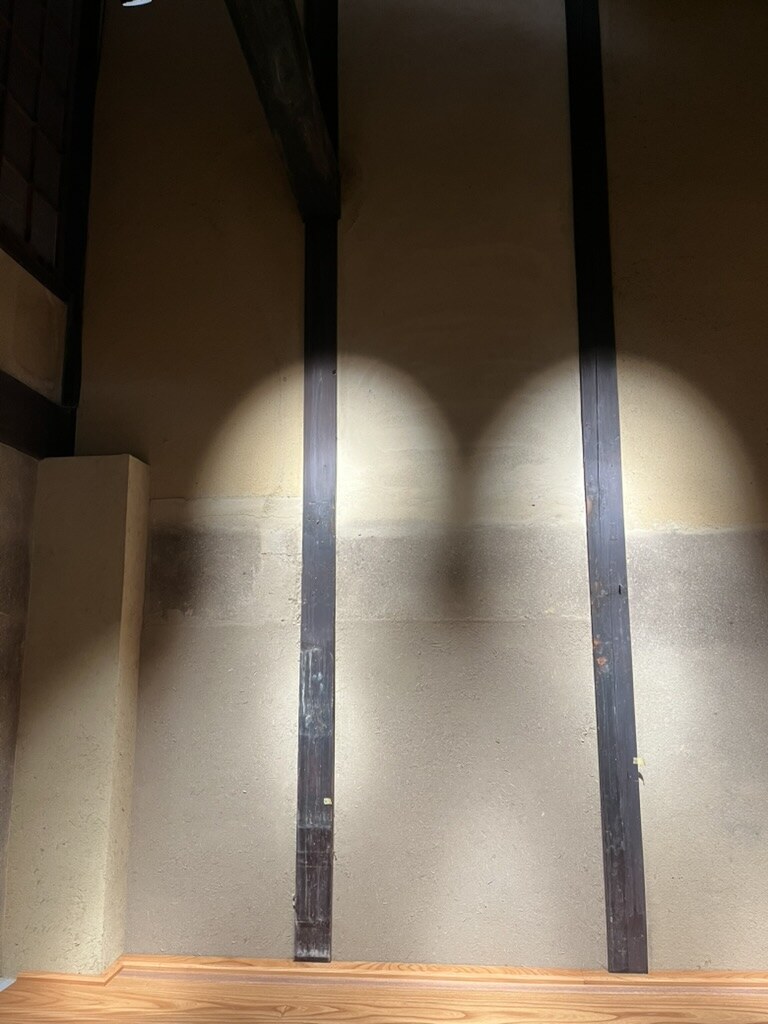
かまどの仕事は、火を熱に変えることだけではありません。薪をくべれば煙が出るので、煙の逃げ道が欠かせません。そこで町家では、かまどの上を屋根裏まで吹き抜けにして、煙と熱を上へ抜いてきました(この吹き抜けは「火袋」と呼ばれます)。高い天井と太い柱、黒く煤けた梁は、火と暮らしてきた家の姿そのものです。また、かまどの近くには、火の神様をまつる荒神さんの棚が設けられている家も多く、火を扱う場所は、安全を願う場所でもありました。
炊き方にも、かまどならではの知恵がありました。ごはんの炊き方を表す「はじめちょろちょろ中ぱっぱ」という言い習わしは、火加減を段階的に変えることを教えています。ガスや電気の炊飯器の時代になった今、日々の暮らしでおくどさんに火を入れる家は多くありませんが、土間にかまどが残る町家を内見する機会があれば、かまどそのものよりも、その上にどれだけ空間が開いているか、煙が抜ける高さがどう確保されているかに目を向けてみてください。町家が風と光、そして火とどのように付き合ってきたかが、天井を見上げるだけで見えてきます。
なお、残されたかまどを実際に使えるかどうかは、煙突や火袋の状態、防火の面での確認が欠かせません。使いたい場合は、必ず専門の方に点検を相談してください。"Okudosan" is the affectionate name used in Kyoto and the Kansai region for the kamado, the traditional wood-fired stove. In a Kyo-machiya it stood on the earthen floor at the back of the passage, in the kitchen area, and served as the hearth at the centre of daily life: rice was cooked on it and water boiled.
A kamado does more than turn fire into heat. Burning wood makes smoke, so smoke needs somewhere to go. Machiya solved this by opening the space above the stove all the way up into the roof, letting smoke and heat rise away (this open shaft is called the hibukuro). The high ceiling, the heavy posts and the soot-darkened beams are the very shape of a house that lived with fire. Many houses also kept a shelf near the stove for Kojin-san, the deity of fire; the place where fire was handled was also a place where people prayed for safety.
There was know-how in the cooking too. The old rhyme for cooking rice, "hajime chorochoro, naka pappa", teaches how the fire should change by stages. Today few households light an okudosan for daily meals, but if you visit a machiya where the stove survives, look less at the stove itself and more at the space above it: how much of it is open, and how the height lets smoke escape. Simply looking up shows how the house has always dealt with wind, light and fire.
One caution: whether a surviving kamado can actually be used again depends on the condition of its flue and the hibukuro, and on fire-safety checks. If you wish to use one, please ask a specialist to inspect it first.