京町家・古民家の賃貸を探すときに見るべき点What to look for when renting a Kyo-machiya or an old Japanese house
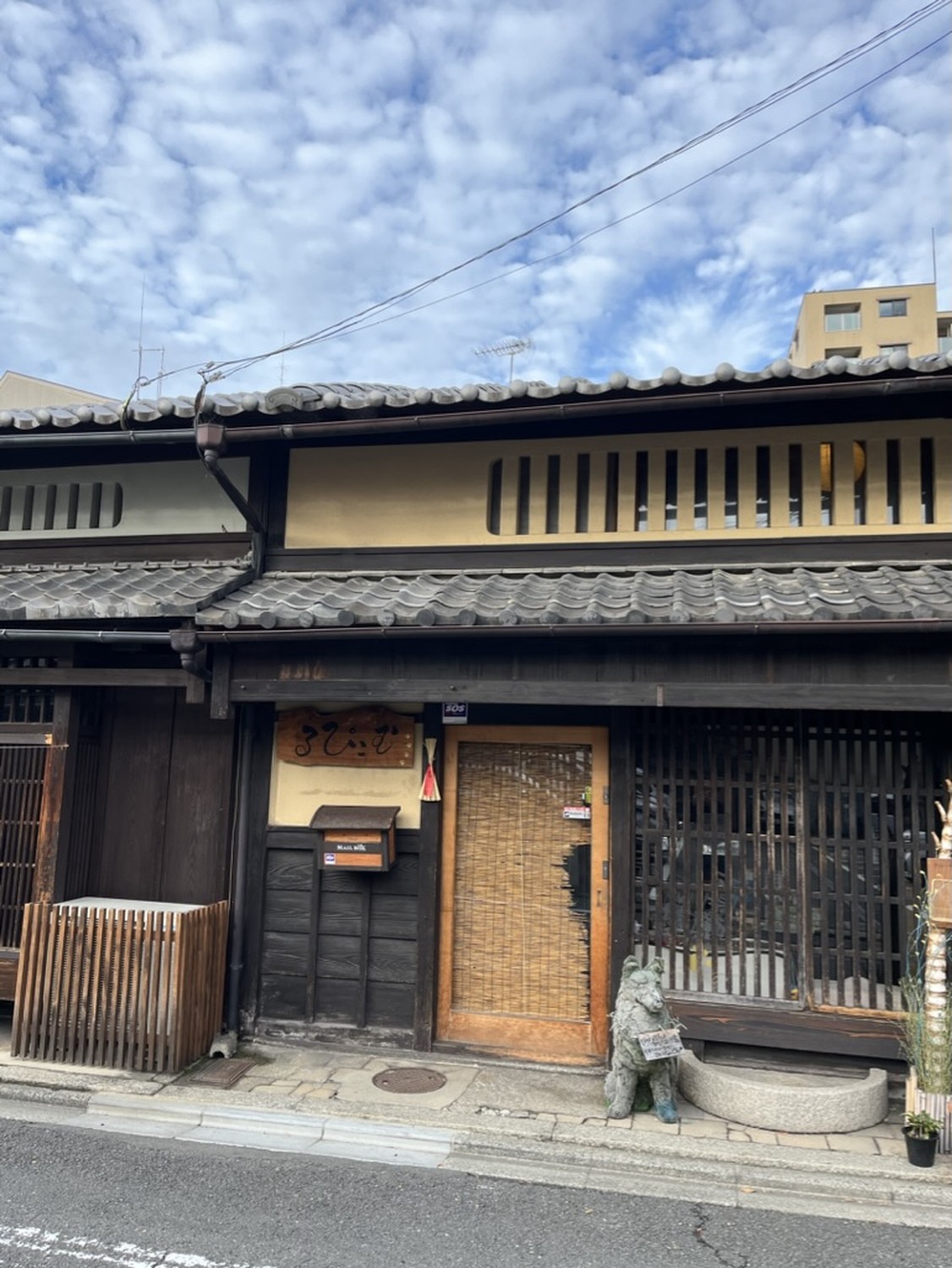
京町家や古民家の賃貸は、そもそも数が多くありません。新築の賃貸のように条件で絞り込んでいくと候補がゼロになりがちなので、京町家の賃貸の探し方としては、まず「譲れない条件」を二つか三つに絞るところから始めるのが現実的です。通勤の範囲、水回りが更新されているかどうか、庭や土間に手をかける気があるかどうか——この三つを決めておくと、一軒ごとの違いが大きい古い家でも、比べる軸ができます。
内見では、間取りや雰囲気より先に、建具の動きを見てみてください。襖や障子、雨戸が素直に開け閉めできるかどうかは、床や柱の傾きがそのまま出るところで、指先ひとつで建物の歪みの目安が分かります。あわせて、天井や梁のまわりに黒く濡れたような跡がないか(雨漏りの痕跡)、台所と浴室の給湯や配管がいつ手を入れられたものかを聞いておくと、住みはじめてからの負担が見えてきます。できれば晴れた日と雨の日、あるいは朝と夕方で二度見ると、光の入り方と湿り方の両方が分かります。
そして古い家の賃貸でいちばん差が出るのは、契約書のなかの「どこまでを借りる側が手入れするか」です。畳や障子の張り替え、庭の草木、土間や格子の掃除といった日常の手入れの分担と、退去時の原状回復の範囲は、口頭ではなく書面で確かめておくと安心です。冬の寒さや夏の湿気も含めて、この家とどう付き合うかを事前に具体的に想像できたなら、その一軒はきっと長く住める家です。There are simply not many machiya or kominka available to rent. Filter by conditions the way you would for a new-build apartment and your list will empty out, so a realistic way to search is to narrow your must-haves down to two or three first. How far you are willing to commute; whether the kitchen and bath have been updated; whether you actually want to tend a garden and an earthen-floored entry — settle those, and you have an axis for comparing houses that otherwise differ enormously one from the next.
At a viewing, before the floor plan or the atmosphere, try the fittings. Whether the fusuma, shoji, and shutters slide open and closed without fighting you is where any lean in the floor or posts shows itself, and your fingertips will tell you as much about the frame as your eyes will. Look too for dark, damp-looking stains around the ceiling and beams — traces of a leak — and ask when the water heater and plumbing in the kitchen and bath were last worked on. If you can, view twice: on a clear day and a wet one, or in the morning and again toward evening, so you see both how the light falls and how the damp settles.
The biggest difference between one old rental and another, though, lies in a clause of the contract: how much of the upkeep falls to the tenant. Who replaces tatami and shoji paper, who looks after the plants, who sweeps the earthen floor and the lattice — and how far restoration on move-out extends — are all worth confirming in writing rather than in conversation. If you can picture, concretely and in advance, how you will live with this house through a cold winter and a humid summer, then it is probably a house you can stay in for a long time.