坪庭がはこぶ光と風——京町家の小さな庭The light and breeze a tsuboniwa carries — the small garden of a Kyo-machiya
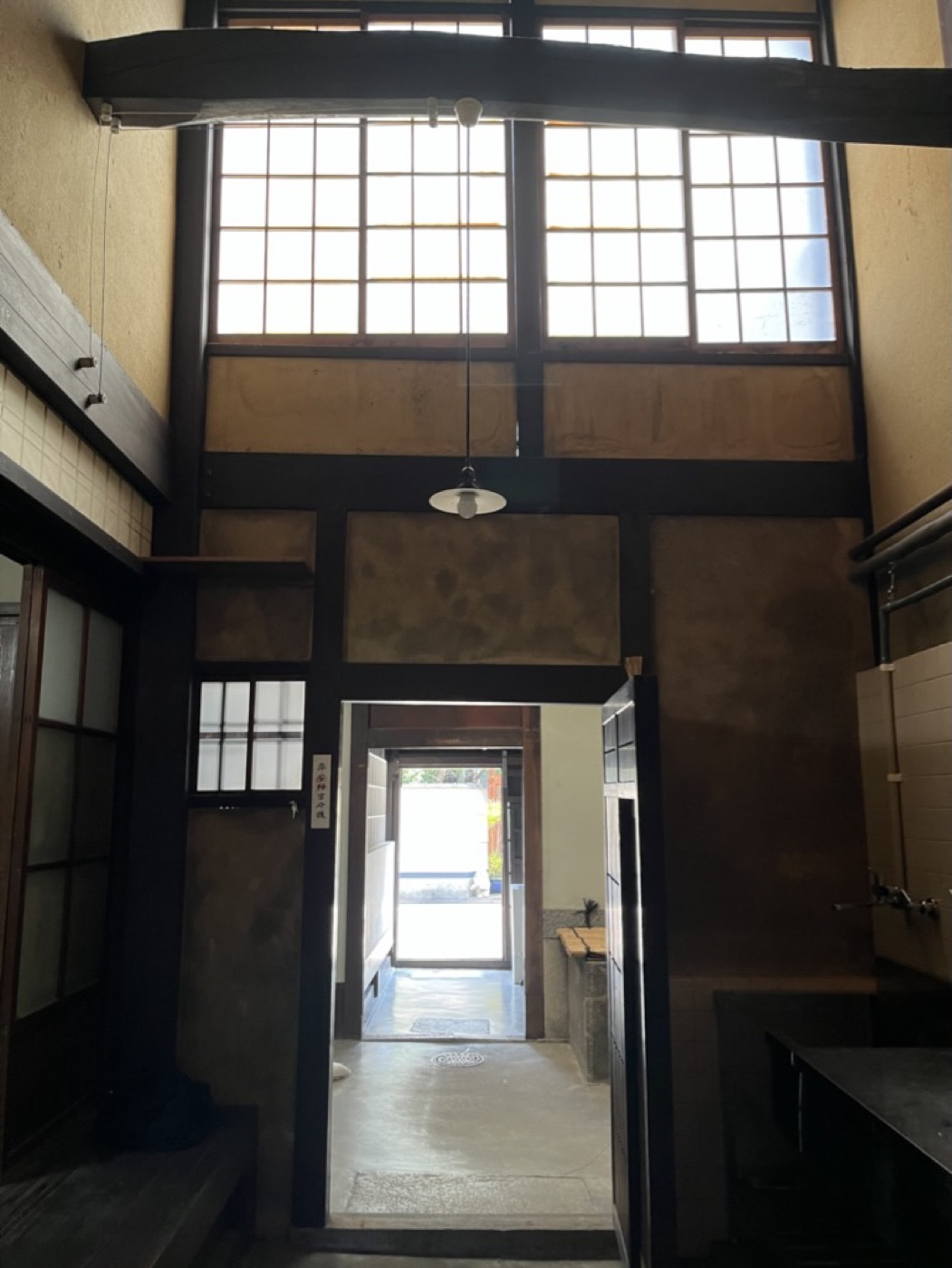
京町家は、間口が狭く奥に長い「うなぎの寝床」と呼ばれる形をしています。そのままでは家の中ほどに光も風も届きません。そこで途中に空を抜いてつくられたのが坪庭です。畳数枚ほどの小さな面積でも、上が開いているだけで、閉じていたはずの奥の間に光が落ち、空気が動きはじめます。
坪庭が風を呼ぶ仕組みは、日なたと日かげの温度差にあります。通りに面した表側は日が当たって空気が暖まり、坪庭は建物に囲まれて一日じゅう影が多く、ひんやりとしている。この温度の差が家の中に静かな流れをつくり、通り庭(土間)を通って風が抜けていきます。夏の午後、坪庭の地面や石に水を打つと、その差はもう少しはっきりします。打ち水は涼をとるためのものでもあり、風を動かすためのものでもあるのです。
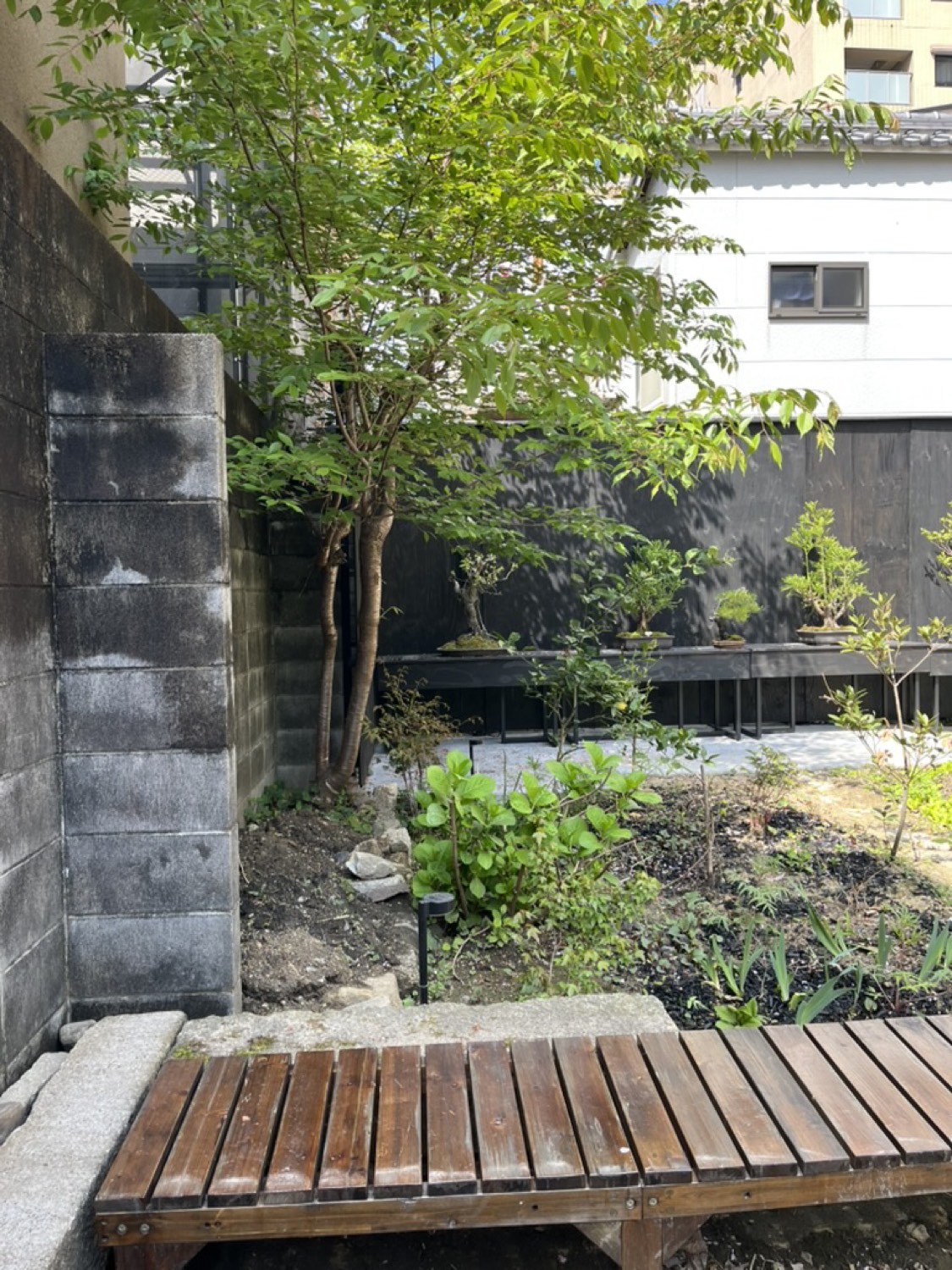
だから坪庭のしつらえには、日かげでも育つものが選ばれます。苔、シダ、南天、ヤツデ、アオキ——直射日光をあまり必要としない植物です。そこに手水鉢や飛石、石灯籠を控えめに置く。狭いからこそ足し算をしすぎず、余白を残すのが京町家の坪庭の作法と言われます。手入れも、季節に一度、伸びた枝を落とし落ち葉を掃き、苔に水をやる程度で足ります。小さな庭ですが、家の奥に座って見上げたときの空の四角さは、この家がどんな形をしているのかを、いちばんよく教えてくれます。A Kyo-machiya has a narrow frontage and runs deep — a shape often called an "eel's bed." Left as it is, neither light nor air would reach the middle of such a house. So an opening to the sky was made partway along: the tsuboniwa. Even at the size of a few tatami mats, simply having the top open lets light fall into rooms that would otherwise be shut away, and sets the air moving.
The way a tsuboniwa draws a breeze lies in the difference between sun and shade. The street side warms in the sun, while the tsuboniwa, enclosed by the building, stays shaded and cool for much of the day. That difference in temperature creates a quiet current through the house, and the air slips out along the tori-niwa, the earthen-floored passage. On a summer afternoon, sprinkling water over the garden's ground and stones sharpens the difference a little more. Uchimizu is a way of drawing coolness — and also a way of moving air.
So the planting of a tsuboniwa favors what grows in shade: moss, ferns, nandina, fatsia, aucuba — plants that ask little of direct sun. Among them, a water basin, stepping stones, or a stone lantern, set out sparingly. Because the space is small, the custom is not to add too much and to leave margin. Its care, too, is modest: once a season, cut back what has grown long, sweep the fallen leaves, water the moss. It is a small garden, yet the square of sky you see when you sit deep in the house and look up tells you better than anything what shape this house takes.